
Home Additions
Home Additions in Toronto, Design-Build That Adds Space Without Compromise
If you are planning home additions Toronto homeowners invest in for long-term value, the goal is simple, gain the space you need while keeping the home comfortable, safe, and consistent in style. A well-planned addition should feel like it has always belonged to the house. That outcome depends on planning, structural coordination, permit alignment, and disciplined site management from the first week, not only during finishing.
Working with a home addition contractor Toronto homeowners trust means your project follows a clear sequence, feasibility first, design development next, then permit-ready drawings, then construction milestones. Toronto properties bring real constraints, lot limits, access, neighbors, existing structure conditions, and approval pathways. When those constraints are handled early, your addition moves forward with fewer delays, fewer redesign loops, and less disruption to daily life.
Select Build Design delivers design build home additions Toronto clients choose when they want one coordinated plan that connects design, approvals, structural planning, and construction under one team. If your vision is a rear addition, second storey expansion, side addition, or a focused bump-out, we shape a build plan that fits the house you own and the way you live.
Home Additions Toronto, When an Addition Beats Moving
Moving often feels like the easiest path until you factor in transaction costs, market timing, and the reality of leaving a neighborhood that works for your family. A home addition keeps your address while solving space problems that usually trigger a move, an extra bedroom, a larger kitchen, a proper family room, a home office, or more functional circulation between floors.
Many homeowners pursue a home extension Toronto project when the home layout no longer matches daily routines. A well-executed addition supports better flow, more storage, improved natural light, and a stronger connection to the yard. The best results come from balancing architecture, structure, and performance so the new space looks intentional and runs efficiently year-round.
Types of Home Additions We Build in Toronto
Different homes need different expansion strategies. The right addition type depends on your lot, your existing layout, your budget priorities, and how you want the home to function. Below are common addition types in Toronto, along with what each one solves.
Rear Addition Toronto
A rear addition Toronto homeowners choose often expands the kitchen, dining, and family room area. This option supports better backyard connection and creates space for larger openings, improved sightlines, and a more social main floor plan.
Side Addition Toronto
A side addition Toronto project expands width where the lot allows it. This route often supports larger kitchens, mudrooms, or widened circulation. Side additions require careful planning around setbacks and lot lines, especially in tighter neighborhoods.
Second Storey Addition Toronto
A second storey addition Toronto build adds significant square footage without expanding the footprint. This option is common when the lot is tight but the home needs more bedrooms, bathrooms, or a better primary suite. Structural planning is critical here because the existing foundation, framing, and load paths must support the new level.
Dormer Addition Toronto
A dormer addition Toronto approach works well for attic conversions and partial second-floor expansions. Dormers add headroom and bring light into upper spaces while keeping the roofline design controlled.
Kitchen and Family Room Additions
Many homeowners focus on targeted additions that reshape daily life. A kitchen addition or family room addition expands the most-used spaces and improves how the home feels day to day, especially when the existing main floor is tight.
Bump Out Addition Toronto
A bump out addition Toronto project adds focused square footage without a full new wing. This is common for expanding a kitchen wall, enlarging a bathroom, or creating a more functional entry. Even small additions still require careful structural integration and permit alignment.
Design-Build Home Additions, One Team From Design to Construction
Home additions involve more coordination than most renovations because the new structure must integrate cleanly with the existing home. Design-build keeps that integration under one accountable team. Instead of separate parties handing off drawings and scopes, design-build connects design intent, structural planning, permits, scheduling, procurement, and trade coordination in one workflow.
This approach reduces the risk of planning a layout that looks great on paper but creates structural complexity, inspection friction, or avoidable cost pressure. It also supports stronger decision-making because selections and details are planned in the right order. That means fewer rushed choices during construction and fewer changes that disrupt sequencing.
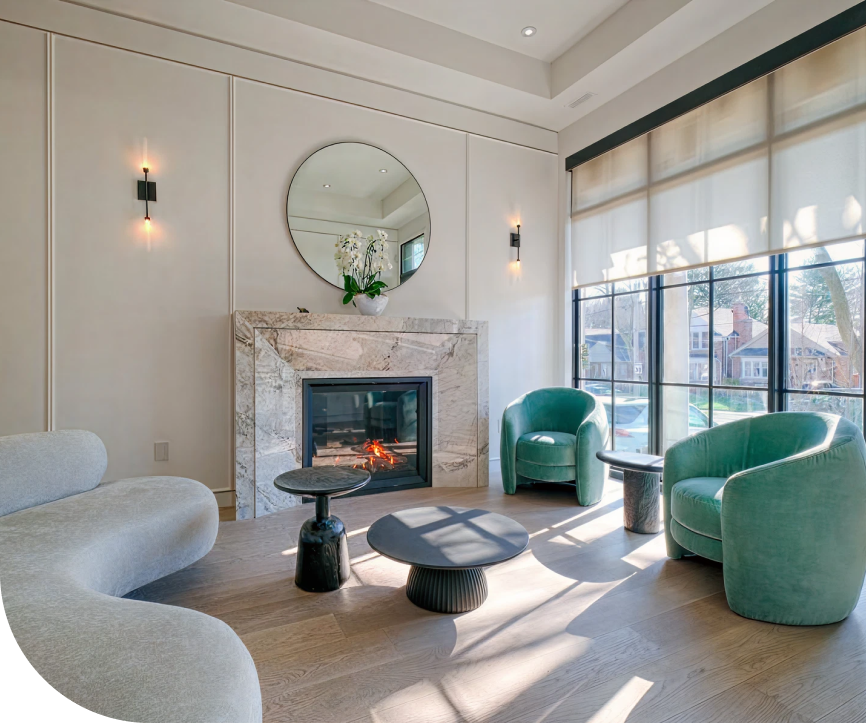






The Select Design Build has More Than 10 Years experience in Design & Build of luxury Custom houses.
As pioneers in designing and constructing advanced technology facilities, our architectural solutions stem from a collaborative process. This process empowers our multidisciplinary teams to share knowledge, embrace new technology, and craft innovative design solutions.
Our Home Addition Process
A predictable home addition outcome comes from a defined process with decision points and checkpoints. Our process keeps scope clear and keeps your timeline organized, from early feasibility through closeout.
- Property and goals review: We review how you live in the space today and what needs to change.
- Feasibility and scope planning: We evaluate site constraints, layout options, and budget priorities.
- Design development: We refine floor plans, elevations, and key details that impact buildability.
- Permit drawings and submissions: We coordinate documentation for approvals and respond to feedback.
- Preconstruction planning: We align procurement, schedule, site logistics, and trade scopes.
- Construction and inspections: We manage milestones, quality checkpoints, and city inspections.
- Final walkthrough and closeout: We complete punch list items and handover documentation.
If your project needs permit-ready documentation and coordinated submissions, our Architectural Drawings & Permit Coordination service integrates directly into the addition plan so your design, approvals, and build timeline stay aligned.
Most additions require approval steps, and the right planning here protects both schedule and budget. A home addition permit Toronto process typically depends on your scope and the specifics of your property. Permit drawings must match the build plan, and details matter because they shape inspection outcomes during construction.
Many homeowners search for building permit for home addition Toronto requirements because they want clarity before investing in design. Our role is to connect your design decisions to the approval pathway, including the documents needed for submission and the practical sequencing that keeps the project moving once approvals land.
Some additions also require relief from zoning requirements. When a proposal does not fit within standard limits, a committee of adjustment home addition Toronto pathway may apply, often paired with a minor variance home addition Toronto request. If your project moves in that direction, our Committee of Adjustment Applications support keeps the submission organized and connected to the construction plan.
Structural Planning and Integration With Your Existing Home
Additions are not only about new rooms. They are about integrating old and new so the home remains stable, comfortable, and visually cohesive. Structural planning covers foundations, framing tie-ins, load paths, and how new openings interact with existing walls and beams. This is especially important for second storey additions, rear expansions with large openings, and any scope that changes roof structure.
Integration also includes envelope continuity. The connection between old and new must manage moisture properly, maintain insulation continuity, and support long-term durability. A disciplined plan addresses flashing, transitions, and details that often get overlooked when the project is treated as a simple expansion.
If the addition scope involves significant reconfiguration, structural coordination becomes a central part of the plan. Our team aligns structural modifications with architectural intent so the layout remains clean and the build remains efficient.
Timeline and Milestones for
a Toronto Home Addition
Homeowners want a clear answer to how long a project takes, but a reliable timeline comes from scope clarity and approval reality. A milestone-based plan sets expectations around phases and decisions, and it helps protect schedule by placing key selections and approvals early.
These ranges provide structure for planning and decision-making. The strongest timeline control comes from early scope clarity, disciplined selection planning, and proactive coordination between trades.
Phase | What Happens | Typical Ranges |
|---|---|---|
Discovery and feasibility | Goals, site review, scope planning, early budget framework | 2 to 6 weeks |
Design development | Plans, elevations, coordination, key selections planning | 6 to 14 weeks |
Permits and approvals | Permit drawings, submission, revisions, approvals pathway | Variable |
Preconstruction planning | Trade scopes, schedule mapping, procurement, site logistics | 2 to 6 weeks |
Construction | Build execution with inspections and quality checkpoints | Variable |
Closeout | Walkthrough, punch list completion, handover | 1 to 4 weeks |
Cost Factors, What Drives
Home Addition Budget in Toronto
Homeowners often ask how much a home addition costs in Toronto, but budget accuracy depends on your addition type, site conditions, structural needs, and finishing level. Instead of giving a number that does not match your project, we focus on cost drivers and the levers that protect budget.
Cost Driver | Why it Matters | Budget control approach |
|---|---|---|
Addition type | Second storey additions carry different structural and sequencing needs than rear additions | Scope planning aligned with structural strategy and timeline |
Foundation and structural work | Load paths, reinforcement needs, and tie-ins affect labor and materials | Early engineering coordination and buildable detailing |
Site access and logistics | Tight access impacts staging, deliveries, and productivity | Site logistics plan and realistic sequencing |
Envelope complexity | Windows, cladding, insulation continuity, and moisture management affect long-term durability | Detail planning that protects performance and finish consistency |
Interior finishing scope | Cabinetry, flooring, lighting, tile, and trim strategy shape the final budget | Selection planning with priority tiers and clear scope |
Late changes | Changes during construction disrupt sequencing and add cost pressure | Documented decisions and a controlled change process |
If your project leans toward major reconfiguration, combining your addition with a broader renovation strategy may be the right path. That approach keeps layout decisions and finish planning coherent across the full home, not only the new square footage.
Quality Standards, Site Management,
and Warranty
A successful addition is measured by how it lives after construction, comfort, quietness, durability, and finish consistency. Quality control depends on standards and checkpoints during the build, not a quick review at the end. Our site management focuses on sequencing discipline, scope clarity, and coordination points between framing, mechanical work, insulation, drywall, and finishing.
We also plan for the realities of living in Toronto neighborhoods. Clean staging, controlled noise timing, and respectful site operations matter when you have close neighbors and limited space. A professional build keeps the site organized and predictable, which supports both safety and productivity.
At closeout, you receive a structured walkthrough and a clear plan for final items. Warranty expectations are explained in a straightforward way so you know what is covered and what maintenance steps protect your investment.
Areas We Serve in Toronto and the GTA
We provide home additions Toronto homeowners request across the city and throughout the GTA, depending on project scope and scheduling. Many addition projects take place in established neighborhoods where lots are tight and approvals matter. Early feasibility work keeps planning grounded so you avoid investing time in designs that do not match the approval pathway.
If you are not sure which addition type fits your property, share the address and your goals. We will outline a practical next step and the key feasibility questions that shape budget and schedule.
If you want a home addition contractor Toronto homeowners choose for a structured design-build process, we are ready to help. Share your property details, space goals, and timeline expectations. We will review feasibility, outline the approval pathway, and map a plan that connects design, permits, structural planning, and construction milestones.
Book a consultation through our contact form or call our team to discuss your project. If your goals include broader layout changes beyond the addition footprint, our renovation services may be the right complement to keep the entire home cohesive.
Do I need a permit for a home addition in Toronto?
Most additions involve approval steps and permit-ready drawings. The requirements depend on scope and property specifics. Early planning clarifies the pathway and reduces timeline risk.
When does a home addition require a Committee of Adjustment?
When the proposed addition does not fit within zoning limits, a Committee of Adjustment pathway may apply, often with a minor variance request. This is confirmed during feasibility planning.
What is the difference between a rear addition and a second storey addition?
Rear additions typically expand main-floor living space and improve backyard connection. Second storey additions add significant area without expanding the footprint, but structural planning and sequencing differ substantially.
How long does a home addition take in Toronto?
A reliable timeline depends on scope clarity, approvals, and construction complexity. A milestone-based plan provides structure and keeps decisions organized through design, permits, and construction.
Will the existing home be comfortable during construction?
Living conditions depend on scope and sequencing. Some projects involve phases that affect daily routines more than others. Planning the sequence early helps set expectations and reduce disruption.
How do you keep the project aligned with the budget?
Budget control depends on scope clarity, disciplined selection planning, and a controlled change process. Clear decision points early reduce late changes that drive cost pressure.

Request a consultation through our contact form or call our team to discuss your project.
